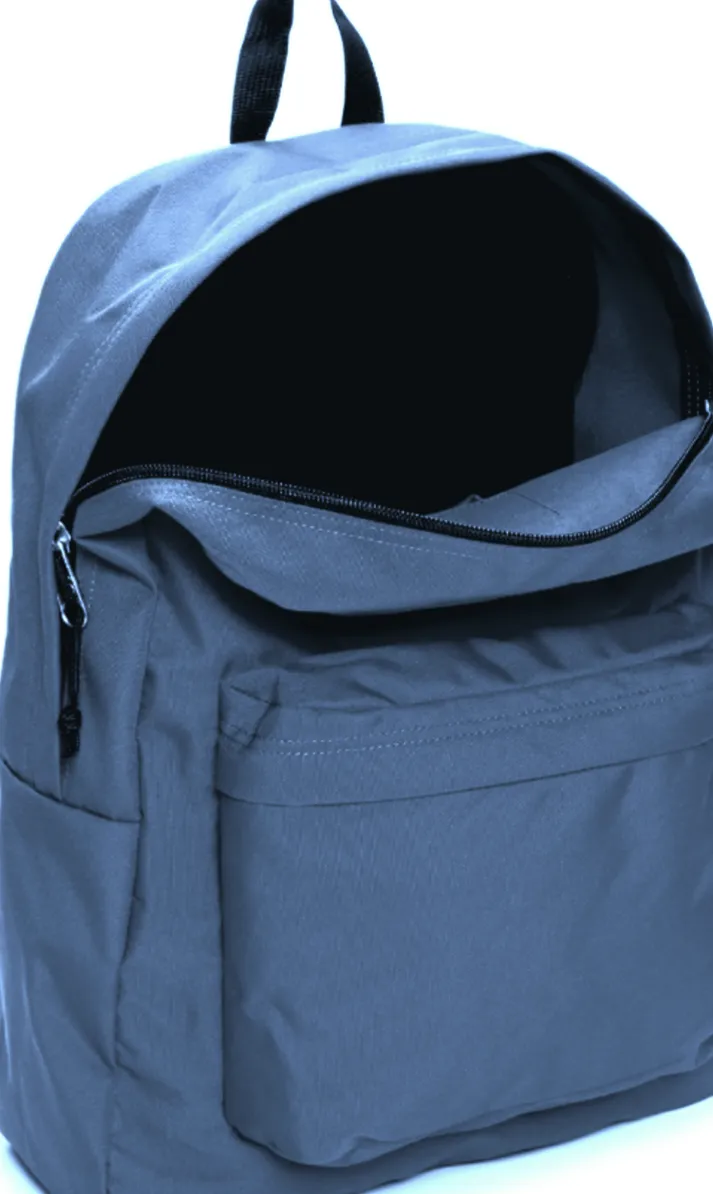
Choosing the ideal school backpacks for different student age groups requires a strategic approach, especially for brands and companies that want to design promotional, customized, or specialized models. Understanding how age, daily load, and durability requirements influence design helps businesses create school backpacks that offer real value while strengthening brand presence. This guide explains how to choose the right structure, materials, ergonomic features, and resistance levels to ensure that school backpacks meet both functional and commercial goals.
Selecting Backpacks According o Student Age
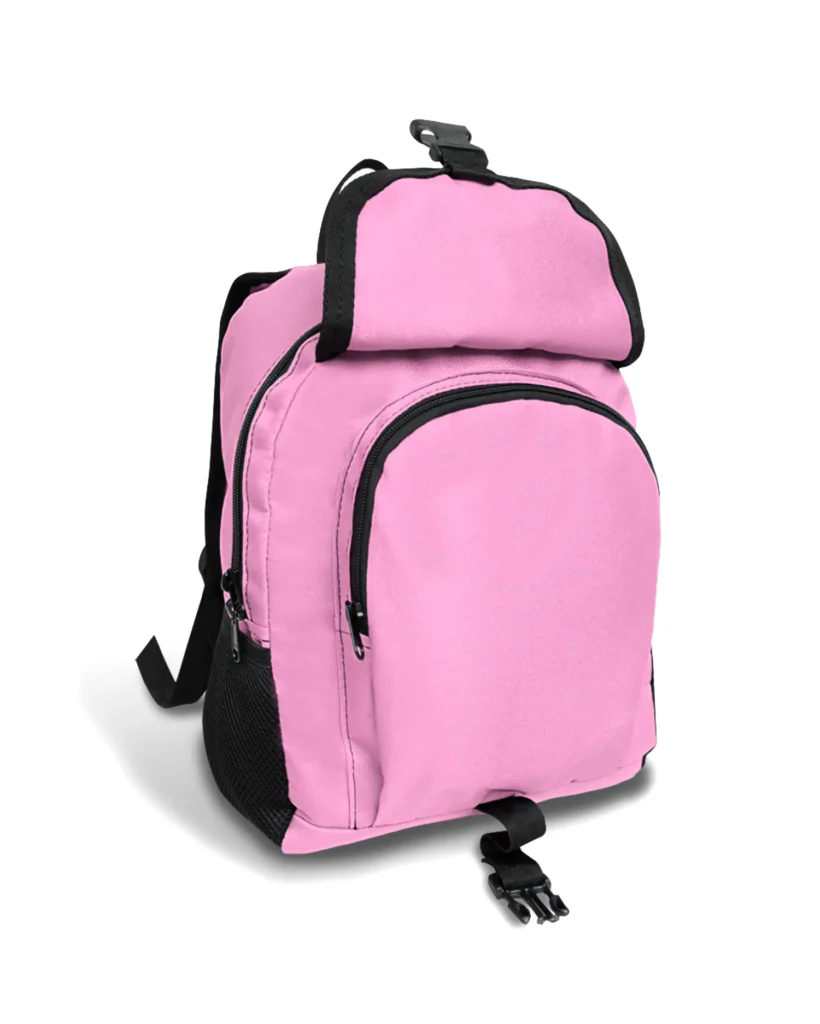
For younger students, school backpacks should prioritize lightweight construction, simple compartments, and soft ergonomic padding. At this age, children carry minimal classroom gear, so compact dimensions and easy-to-use zippers reduce strain and improve comfort. Companies creating customized student backpacks for this segment should focus on visual appeal and branding surfaces without compromising weight.
In middle school, students typically carry heavier book bags, digital devices, and various classroom gear. As a result, school backpacks must offer reinforced stitching, breathable back panels, and adjustable straps. This age group benefits from durable school packs built with abrasion-resistant polyester or nylon. Brands that offer special editions can leverage these characteristics to market resilience, comfort, and modern designs.
High school and college students require school backpacks that support the heaviest daily loads. Laptops, notebooks, chargers, and accessories demand compartments with shock-absorbing padding and upgraded zippers. For corporate buyers, this stage is ideal for producing ergonomic school bags with premium materials that elevate brand perception.
Evaluating Load Capacity and Durability
When designing or selecting school backpacks, one of the most important elements is understanding the daily load students carry. A backpack intended for heavy use should include reinforced bottom panels, wider shoulder straps, and high-resistance fabrics. Durable school packs should handle constant movement, crowded commutes, and frequent opening and closing without material fatigue.
Light loads require flexible and minimalist models. Medium loads benefit from structured frames and organized compartments. Heavy loads call for professional-grade construction. Companies creating personalized school backpacks can strategically align these features with the type of student they target, ensuring both comfort and longevity.
Prioritizing Ergonomics and Safety
High-quality school backpacks must support proper posture and reduce the risk of shoulder or back strain. Padded straps, lumbar support, and breathable meshes are essential for comfort during long school days. Brands developing ergonomic school bags should highlight these benefits when promoting their products to institutions or corporate clients looking to provide premium classroom gear.
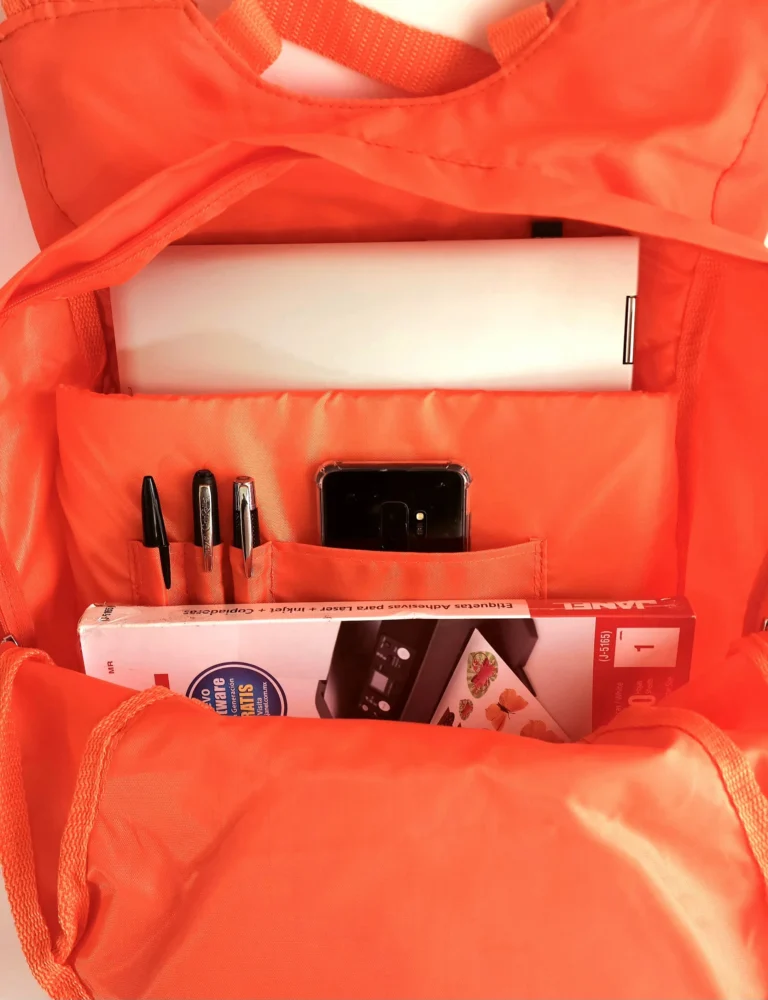
An effective student backpack must combine functionality, durability, and visual appeal. Key features include:
- Multiple compartments for books, tech devices, and stationery
- Side pockets for water bottles
- Anti-theft hidden pockets
- Water-resistant fabrics
- Reinforced carrying handles
- Padded laptop sleeves
When producing customized school backpacks, companies can incorporate branding through embroidery, patches, silicone labels, or high-resolution printing. These techniques allow brands to maintain aesthetic consistency while offering practical, long-lasting products.
Material Quality and Manufacturing Standards
To ensure long-term resistance, school backpacks should be crafted with high-density nylon, ripstop polyester, or eco-friendly recycled materials. High-quality zippers, double stitching, and padded compartments add durability and protect digital devices. Companies investing in promotional items should prioritize these materials to ensure that their customized student backpacks stand out in quality and lifespan.
Choosing the Right Backpack Model for Corporate or Promotional Use
For businesses, selecting school backpacks involves balancing practicality, branding opportunities, and budget considerations. Backpacks with clean, uncluttered surfaces allow for better logo placement, while models with multiple organizational features carry a higher perceived value. When targeting schools, universities, or corporate events, brands benefit from offering versatile models that combine durability, style, and ergonomic support.
Ultimately, the best school backpacks are those designed with the student’s age, daily load, and required resistance level in mind. By aligning functionality with brand identity, companies can create promotional or customized backpacks that students genuinely enjoy using—boosting visibility, satisfaction, and long-term brand value.